Finding a dessert that’s both vegan-friendly and actually tastes amazing can feel like an impossible task. You want something that satisfies your sweet tooth without relying on eggs or dairy, but so many vegan desserts end up dry, bland, or just plain disappointing.
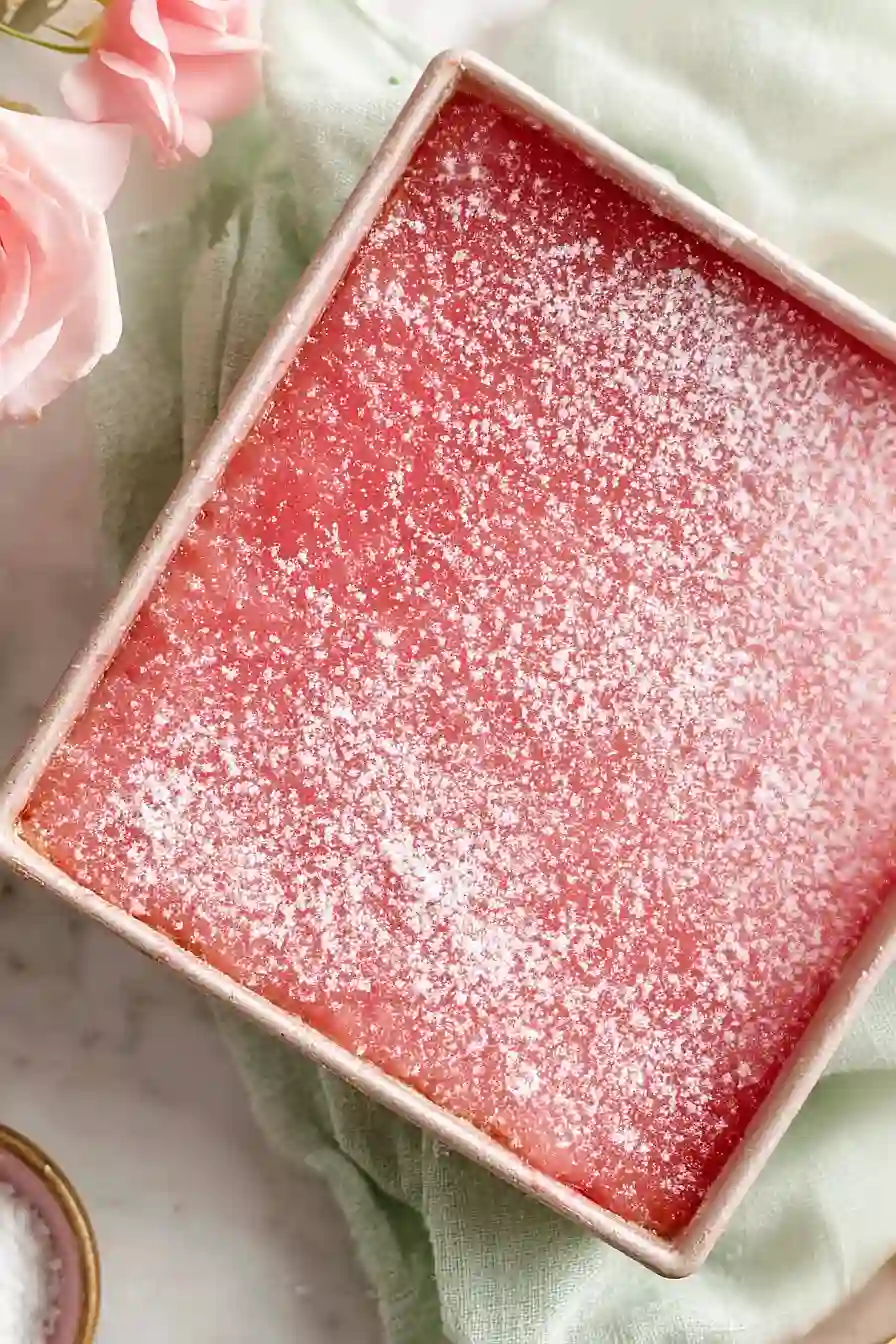
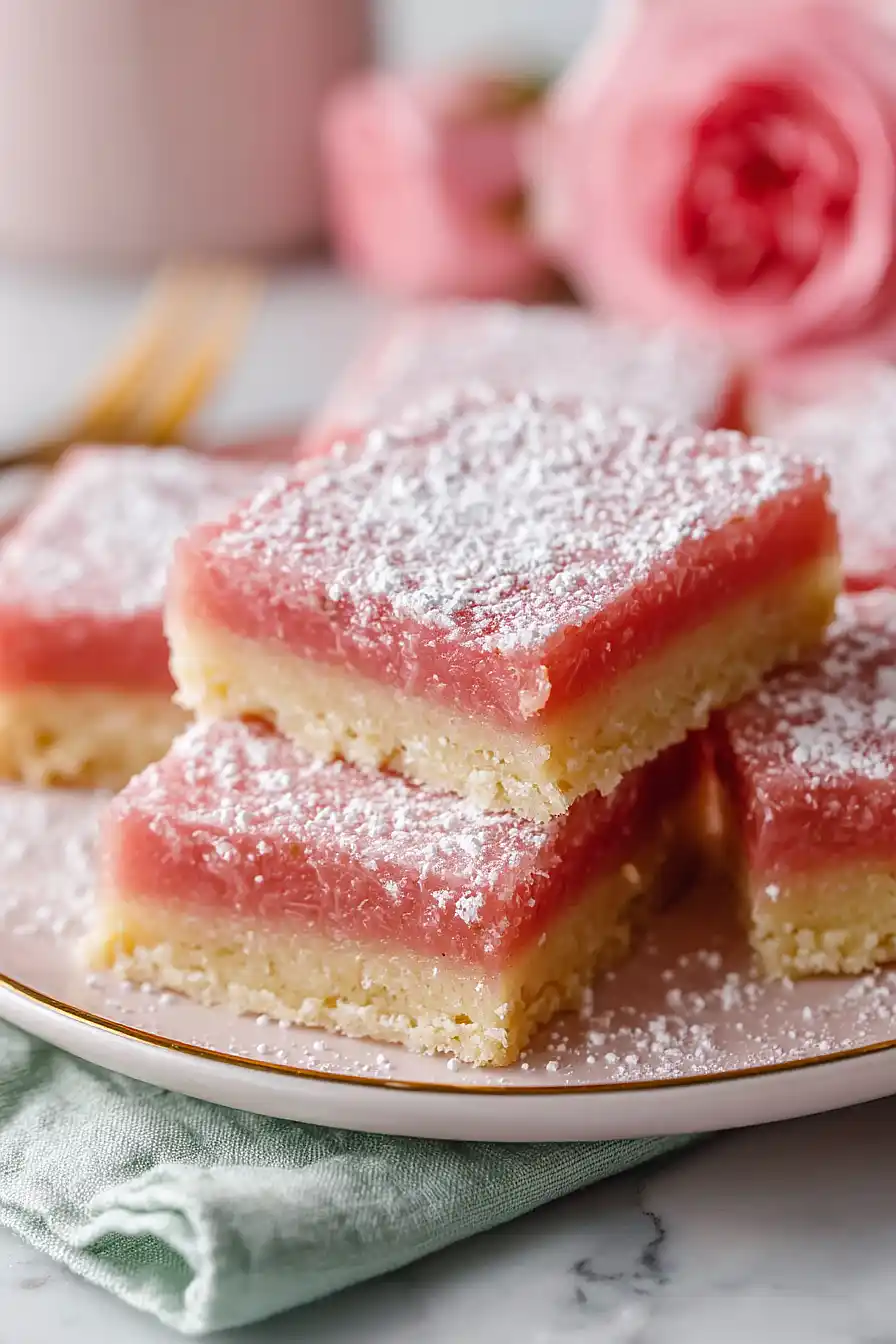
That’s where these vegan rhubarb bars come in to save the day. They’ve got a buttery shortbread base, a tangy-sweet rhubarb filling, and a light dusting of powdered sugar on top. Plus, they’re surprisingly easy to make and use ingredients you can find at most grocery stores. Whether you’re fully plant-based or just trying to eat more vegan meals, these bars prove that you don’t have to sacrifice flavor when you skip the animal products.
Why You’ll Love These Rhubarb Bars
- Completely plant-based – These bars are 100% vegan, so everyone can enjoy them whether you’re following a plant-based diet or just looking to try something new.
- Perfect balance of sweet and tart – The tangy rhubarb filling pairs beautifully with the sweet, buttery crust for a dessert that’s not too heavy or overly sugary.
- Great for spring and summer – This recipe is a wonderful way to use fresh rhubarb when it’s in season, making it ideal for potlucks, picnics, or afternoon treats.
- Make-ahead friendly – You can bake these bars in advance and store them for a few days, making them convenient for busy weeks or when you’re expecting guests.
What Kind of Rhubarb Should I Use?
Fresh rhubarb is always your best bet for these bars, and you’ll find it in season from April through June at most grocery stores and farmers markets. The color of the stalks doesn’t really matter for taste – both red and green rhubarb work equally well, though the red varieties will give your bars a prettier pink hue. Make sure to trim off any leaves if they’re still attached, as those are toxic, and only use the stalks. If fresh rhubarb isn’t available, frozen rhubarb is a solid backup option – just thaw it first and drain off any excess liquid before using it in the recipe.
Options for Substitutions
These bars are pretty forgiving when it comes to swaps, so here are some options if you need to make changes:
- Rhubarb: This is the star of the show, so I’d recommend sticking with rhubarb if possible. However, if you’re in a bind, you could try using tart berries like cranberries or sour cherries – just know the flavor will be quite different.
- Arrowroot powder: Cornstarch works perfectly as a 1:1 substitute for arrowroot. Both will thicken your rhubarb filling nicely.
- Coconut cream: You can use any thick plant-based cream here – cashew cream, oat cream, or even full-fat coconut milk (just use the thick part from the top of the can).
- Flaxseed: A chia egg works just as well as a flax egg. Mix 1 tablespoon of chia seeds with 3 tablespoons of water and let it sit for 5 minutes until it gets gel-like.
- Vanilla paste: Regular vanilla extract is totally fine – use the same amount. The paste just gives you those pretty vanilla bean specks.
- Almond milk: Any plant-based milk will work here – soy, oat, cashew, whatever you have on hand.
Watch Out for These Mistakes While Baking
The biggest mistake with rhubarb bars is not cooking the filling long enough, which leaves you with a runny mess instead of a firm, sliceable bar – make sure your rhubarb mixture is thick enough to coat the back of a spoon before spreading it on the crust.
Another common error is cutting the bars while they’re still warm, as the filling needs time to set completely, so let them cool in the pan for at least two hours or pop them in the fridge to speed things up.
Don’t skip lining your pan with parchment paper, since rhubarb’s natural acidity can cause sticking, and leave some overhang on the sides so you can easily lift the whole batch out for clean cuts.
Finally, if your rhubarb is particularly tart, taste your filling before spreading it on the crust and add an extra tablespoon or two of sugar if needed.
What to Serve With Rhubarb Bars?
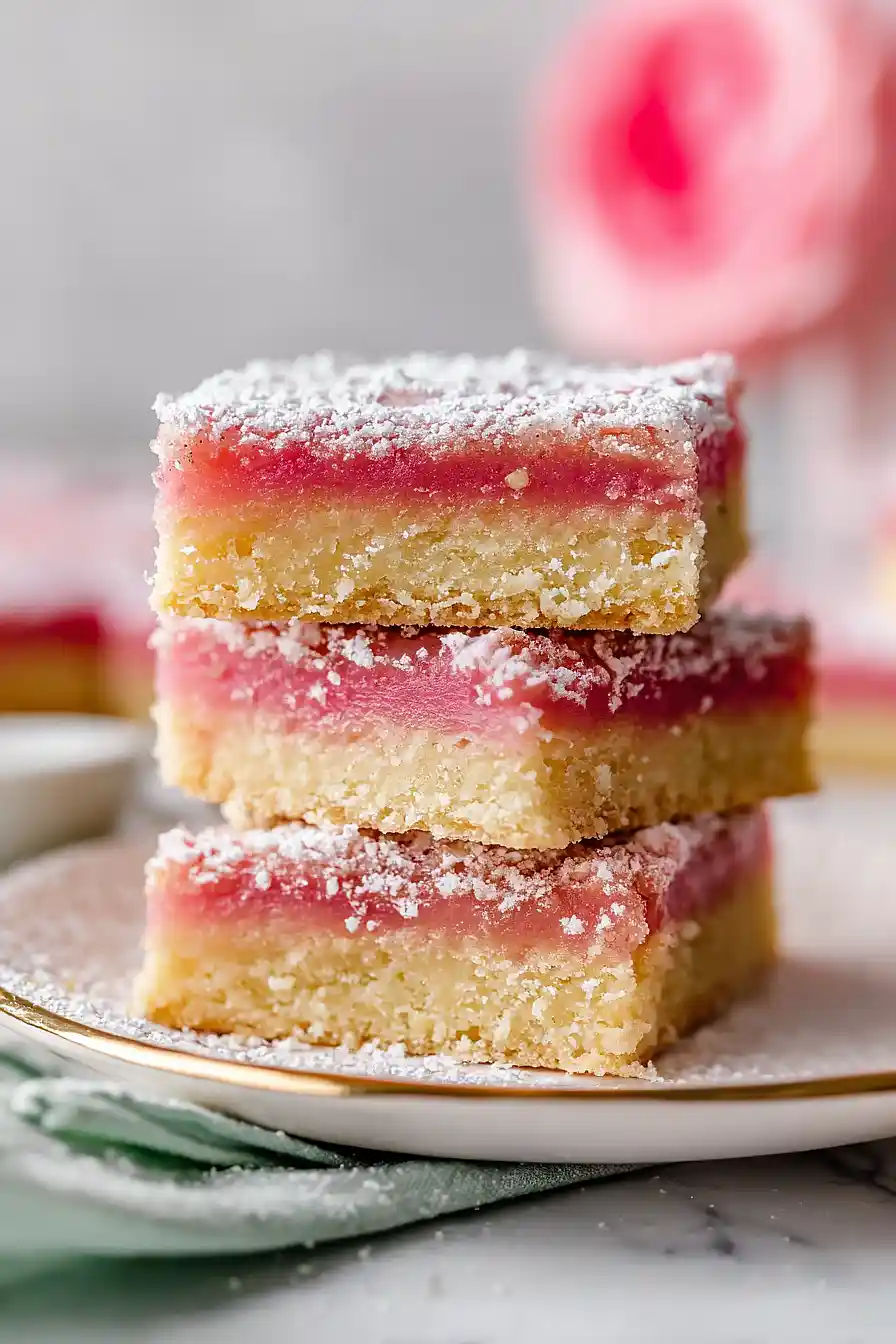
These rhubarb bars are perfect on their own with a cup of coffee or tea in the afternoon, but they’re even better with a scoop of vanilla coconut ice cream on top. The tartness of the rhubarb pairs really nicely with something creamy and sweet, so you could also try them with some coconut whipped cream if you want to keep things dairy-free. I love serving these at brunch alongside fresh fruit and maybe some yogurt parfaits, or packing them up for picnics and potlucks since they travel well. They also make a great dessert after a light dinner – just dust them with a little extra powdered sugar right before serving.
Storage Instructions
Store: Keep your rhubarb bars in an airtight container in the fridge for up to 5 days. They actually taste even better the next day once the flavors have had time to settle in together. I like to cut them into squares and stack them with parchment paper in between so they don’t stick.
Freeze: These bars are great for freezing if you want to make them ahead. Wrap individual bars in plastic wrap, then store them all together in a freezer bag for up to 3 months. They thaw pretty quickly on the counter when you’re ready for one.
Serve: I think these are best enjoyed cold or at room temperature. If you’ve frozen them, just let them sit out for about 30 minutes before eating. You can dust them with a bit more powdered sugar right before serving if they need a refresh.
| Preparation Time | 20-30 minutes |
| Cooking Time | 35-40 minutes |
| Total Time | 150-190 minutes |
| Level of Difficulty | Medium |
| Servings | 9 bars |
Estimated Nutrition
Estimated nutrition for the whole recipe (without optional ingredients):
- Calories: 1400-1550
- Protein: 10-14 g
- Fat: 38-46 g
- Carbohydrates: 255-280 g
Ingredients
For the crust:
- 1 tbsp almond milk
- 1/4 cup brown sugar
- 1 tsp vanilla paste
- 1/2 tsp salt
- 1/2 tsp baking powder
- 1 cup flour (I always use King Arthur all-purpose flour)
- 1/4 cup vegan butter (I prefer Miyoko’s Creamery for the best buttery flavor)
- 1/4 cup cane sugar
- 1 tbsp flaxseed
For the rhubarb curd:
- 1/2 cup coconut cream (I use Thai Kitchen for its thick consistency)
- 1/2 cup sugar
- 1/4 cup water
- 1.5 cups rhubarb (chopped into 1/2-inch pieces for even cooking)
- 1.33 tbsp arrowroot powder
For the topping:
- 1/4 cup powdered sugar (sifted to remove lumps before dusting)
Step 1: Prepare mise en place and preheat oven
- 1.5 cups rhubarb
- 1/4 cup powdered sugar
Preheat your oven to 350°F.
While it heats, chop the rhubarb into 1/2-inch pieces and set aside—uniform sizing ensures even cooking.
Line an 8×8 inch baking dish with parchment paper, leaving some overhang for easy removal later.
Sift the powdered sugar into a small bowl to remove any lumps before dusting.
Step 2: Mix dry ingredients and prepare wet ingredients for the crust
- 1 cup flour
- 1/2 tsp baking powder
- 1/2 tsp salt
- 1/4 cup vegan butter
- 1/4 cup cane sugar
- 1 tbsp flaxseed
- 1 tsp vanilla paste
- 1 tbsp almond milk
In one bowl, whisk together flour, baking powder, and salt.
In a separate bowl, beat the vegan butter and cane sugar together until light and creamy, about 2-3 minutes.
Add the flaxseed, vanilla paste, and almond milk to the butter mixture and mix until fully combined.
I like to use ground flaxseed rather than whole seeds—it distributes more evenly and creates a better texture in the crust.
Step 3: Combine and bake the crust
- dry ingredient mixture from Step 2
- wet ingredient mixture from Step 2
Fold the dry ingredient mixture from Step 2 into the wet mixture until just combined—don’t overmix, as this can make the crust tough.
Press the dough evenly into the prepared 8×8 baking dish and bake for 20 minutes until lightly golden and set.
The crust should be firm but not browned at this stage since it will bake again with the filling.
Step 4: Cook and puree the rhubarb filling
- 1.5 cups rhubarb
- 1/2 cup sugar
- 1/4 cup water
- 1/2 cup coconut cream
While the crust bakes, combine the chopped rhubarb, sugar, and water in a pot and bring to a boil over medium-high heat.
Reduce heat and simmer for 5-8 minutes until the rhubarb is very soft and breaking apart.
Pour the cooked rhubarb mixture (including all juices) into a blender, add the coconut cream, and blend until completely smooth.
I prefer Thai Kitchen coconut cream because its thick consistency helps the filling set properly without becoming too runny.
Step 5: Thicken the filling and prepare for baking
- rhubarb puree from Step 4
- 1.33 tbsp arrowroot powder
Return the rhubarb puree to the pot and sprinkle the arrowroot powder over the top, stirring constantly to prevent lumps.
Cook over medium heat for 3-5 minutes, stirring frequently, until the mixture noticeably thickens and coats the back of a spoon.
The arrowroot will activate and gel the filling, giving the bars a pleasant, sliceable texture.
Step 6: Assemble and final bake
- baked crust from Step 3
- thickened rhubarb filling from Step 5
Remove the pre-baked crust from the oven and spread the thickened rhubarb filling evenly over the top.
Return to the oven and bake for an additional 15 minutes until the filling is set but still slightly jiggly in the very center—it will continue to firm up as it cools.
This second bake helps the flavors meld and prevents a soggy crust.
Step 7: Cool and dust with powdered sugar
- cooled bars from Step 6
- sifted powdered sugar from Step 1
Allow the bars to cool completely in the pan for at least 1-2 hours (or overnight for easier slicing).
Once fully cooled, lift out using the parchment overhang and cut into squares.
Just before serving, dust generously with the sifted powdered sugar from Step 1.
Buttery Vegan Rhubarb Bars
Ingredients
Method
- Preheat your oven to 350°F. While it heats, chop the rhubarb into 1/2-inch pieces and set aside—uniform sizing ensures even cooking. Line an 8x8 inch baking dish with parchment paper, leaving some overhang for easy removal later. Sift the powdered sugar into a small bowl to remove any lumps before dusting.
- In one bowl, whisk together flour, baking powder, and salt. In a separate bowl, beat the vegan butter and cane sugar together until light and creamy, about 2-3 minutes. Add the flaxseed, vanilla paste, and almond milk to the butter mixture and mix until fully combined. I like to use ground flaxseed rather than whole seeds—it distributes more evenly and creates a better texture in the crust.
- Fold the dry ingredient mixture from Step 2 into the wet mixture until just combined—don't overmix, as this can make the crust tough. Press the dough evenly into the prepared 8x8 baking dish and bake for 20 minutes until lightly golden and set. The crust should be firm but not browned at this stage since it will bake again with the filling.
- While the crust bakes, combine the chopped rhubarb, sugar, and water in a pot and bring to a boil over medium-high heat. Reduce heat and simmer for 5-8 minutes until the rhubarb is very soft and breaking apart. Pour the cooked rhubarb mixture (including all juices) into a blender, add the coconut cream, and blend until completely smooth. I prefer Thai Kitchen coconut cream because its thick consistency helps the filling set properly without becoming too runny.
- Return the rhubarb puree to the pot and sprinkle the arrowroot powder over the top, stirring constantly to prevent lumps. Cook over medium heat for 3-5 minutes, stirring frequently, until the mixture noticeably thickens and coats the back of a spoon. The arrowroot will activate and gel the filling, giving the bars a pleasant, sliceable texture.
- Remove the pre-baked crust from the oven and spread the thickened rhubarb filling evenly over the top. Return to the oven and bake for an additional 15 minutes until the filling is set but still slightly jiggly in the very center—it will continue to firm up as it cools. This second bake helps the flavors meld and prevents a soggy crust.
- Allow the bars to cool completely in the pan for at least 1-2 hours (or overnight for easier slicing). Once fully cooled, lift out using the parchment overhang and cut into squares. Just before serving, dust generously with the sifted powdered sugar from Step 1.