Grilled salmon is one of those dinners that feels fancy but actually comes together in less than 30 minutes. I love that I can make something this good on a weeknight without spending forever in the kitchen. The key is in the glaze – a simple mix of brown sugar, lemon juice, and a few other ingredients that caramelize beautifully on the grill.
This brown sugar grilled salmon has become my go-to recipe when I want to impress without the stress. The sweet and savory combo works so well with the rich flavor of Atlantic salmon. Plus, most of the ingredients are probably already sitting in your pantry right now.
The best part? You can prep the glaze while the grill heats up. Brush it on, let it work its magic over the heat, and dinner is ready before you know it. No complicated techniques or hard-to-find ingredients needed.
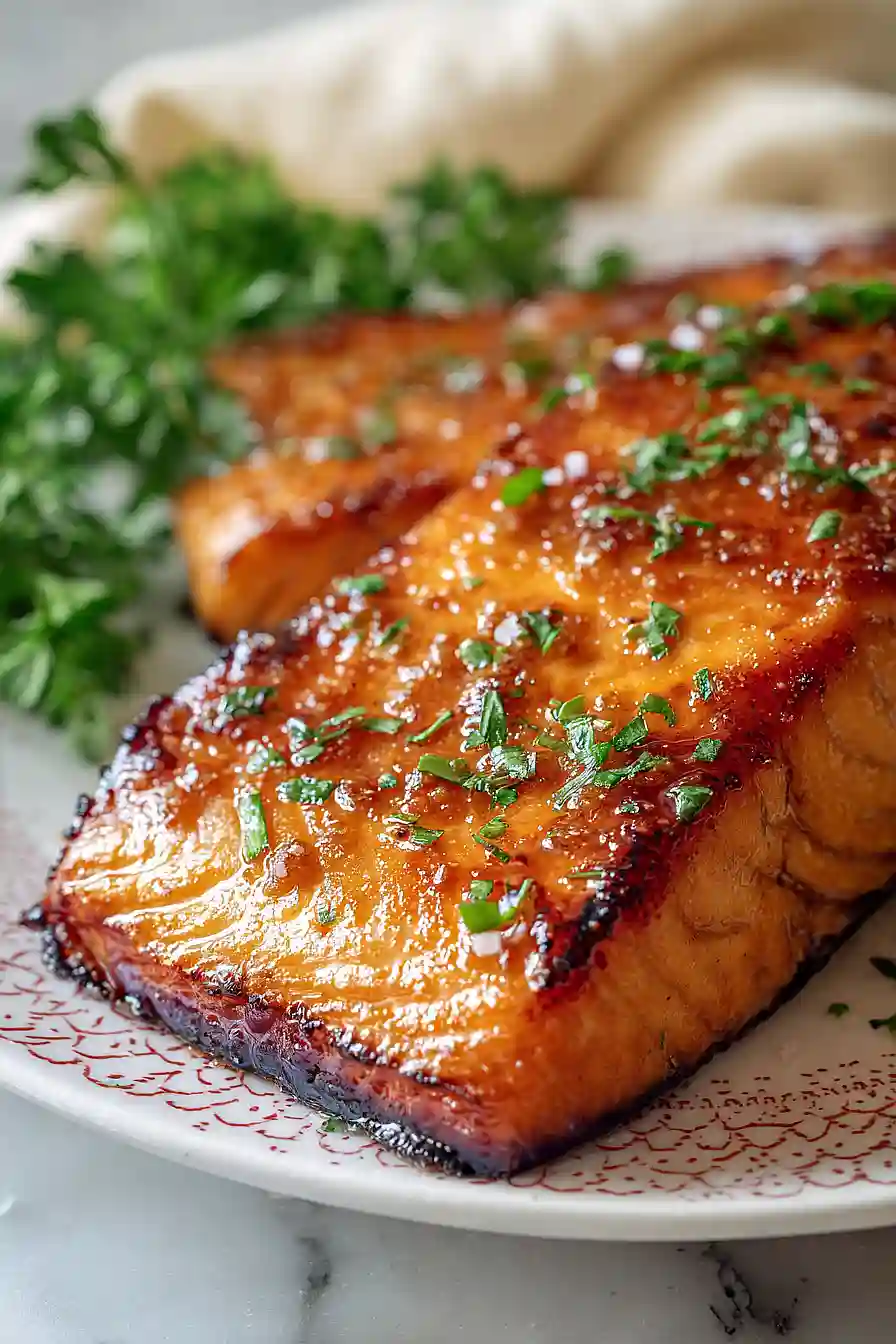
Why You’ll Love This Brown Sugar Grilled Salmon
- Quick weeknight dinner – Ready in under 30 minutes, this grilled salmon is perfect for busy evenings when you want something delicious without spending hours in the kitchen.
- Simple ingredient list – With just brown sugar and lemon, you probably already have everything you need to make this flavorful dish.
- Sweet and tangy flavor – The brown sugar creates a caramelized crust while the lemon juice adds brightness, making each bite perfectly balanced.
- Healthy protein option – Salmon is packed with omega-3s and protein, so you can feel good about serving this nutritious meal to your family.
- Impressive but easy – This recipe looks and tastes like something from a restaurant, but it’s simple enough for any home cook to master.
What Kind of Salmon Should I Use?
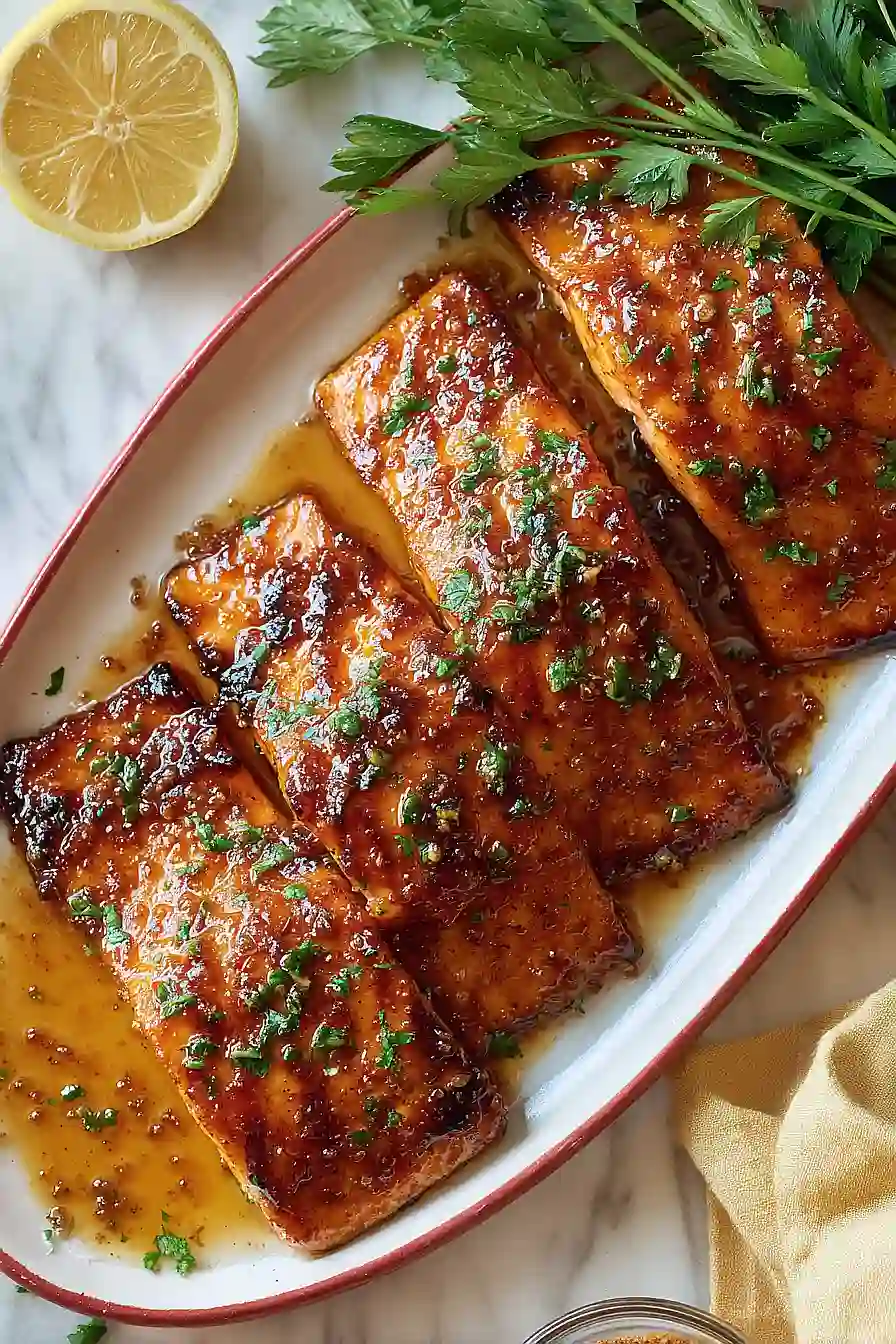
You can choose farm-raised or wild for this recipe, both will work just fine. If all you have access to is frozen salmon, don’t worry – it’ll still turn out great. Most fresh salmon at the grocery store has actually been previously frozen right off the boat anyway. For this grilled recipe, you’ll want a nice thick fillet that can hold up to the heat without falling apart. Skin-on or skinless both work here, though keeping the skin on can help the fish stay together on the grill and give you that nice crispy texture if you’re into that.
Options for Substitutions
This simple recipe is pretty straightforward, but here are a few swaps you can make if needed:
- Brown sugar: You can use coconut sugar or maple sugar as a 1:1 replacement for brown sugar. Regular white sugar mixed with a teaspoon of molasses also works in a pinch, though the flavor will be slightly different.
- Lemon juice: Fresh lime juice makes a great substitute and adds a slightly different citrus note. You can also use bottled lemon juice if that’s what you have on hand, though fresh is always better.
- Salmon fillet: While salmon is ideal for this recipe, you can use other firm fish like Arctic char, steelhead trout, or even thick cuts of swordfish. Just adjust cooking time based on the thickness of your fish.
Watch Out for These Mistakes While Grilling
The biggest mistake when grilling salmon is overcooking it, which turns this naturally moist fish dry and chalky – pull your salmon off the grill when it reaches 140°F instead of 145°F, since it’ll continue cooking for a few minutes after you remove it.
Watch your grill temperature closely because the brown sugar glaze can burn quickly, so if you notice the outside getting too dark before the salmon is cooked through, move it to a cooler part of the grill or reduce the heat.
Don’t skip the grill mat or use a well-oiled grate, as the sugar marinade can cause the salmon to stick badly, and always brush on your glaze gently to avoid breaking apart the delicate fish.
Finally, resist the urge to flip the salmon multiple times – once is enough, and some people prefer cooking it entirely on one side to keep it from falling apart.
What to Serve With Brown Sugar Grilled Salmon?
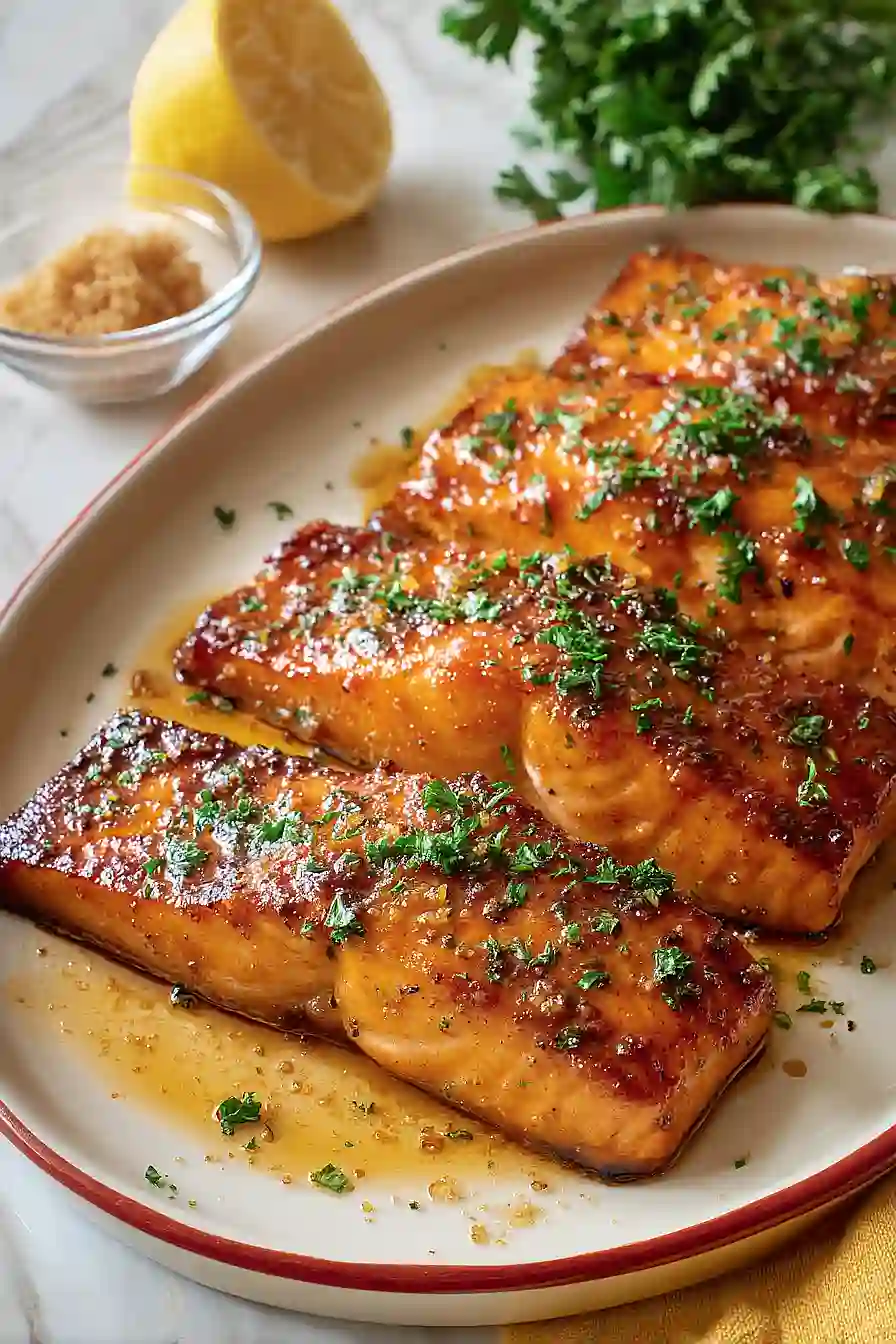
This sweet and tangy salmon pairs beautifully with simple sides that won’t compete with its bold flavors. I love serving it with roasted asparagus or green beans tossed in a little olive oil and garlic, plus some fluffy white rice or quinoa to soak up any extra glaze. A fresh cucumber salad with dill and a squeeze of lemon adds a nice cool crunch that balances out the sweetness of the brown sugar. For a heartier meal, try adding some roasted baby potatoes or a light coleslaw on the side.
Storage Instructions
Store: Leftover grilled salmon keeps well in an airtight container in the fridge for up to 3 days. Just let it cool down completely before storing to keep it from getting mushy.
Freeze: You can freeze cooked salmon for up to 2 months in a freezer-safe container or wrapped tightly in plastic wrap and foil. It works great for meal prep, though the texture might be a bit softer when you thaw it.
Serve: Cold salmon is actually really good straight from the fridge on salads or grain bowls. If you want it warm, gently reheat it in a 275°F oven for about 10 minutes, or use the microwave on low power to avoid drying it out.
| Preparation Time | 10-15 minutes |
| Cooking Time | 20-25 minutes |
| Total Time | 22-30 minutes |
| Level of Difficulty | Medium |
| Servings | 6 servings |
Estimated Nutrition
Estimated nutrition for the whole recipe (without optional ingredients):
- Calories: 1350-1500
- Protein: 80-90 g
- Fat: 40-50 g
- Carbohydrates: 310-340 g
Ingredients
For the marinade:
- 1 salmon (fresh Atlantic side, approx. 3 lbs)
- 1 1/4 cups Domino dark brown sugar
- 3 lemons (juiced and rinds reserved)
For the glaze:
- 3/4 cup dark brown sugar
- 1 1/2 lemons (yielding approx. 4-5 tbsp juice)
- 1 tablespoon soy sauce
- 1/2 teaspoon smoked paprika
Step 1: Prepare the Salmon and Create the Curing Base
- 1 salmon
- 1 cup dark brown sugar
- juice of 2 lemons
Pat the salmon dry with paper towels and cut it into equal portions (typically 6-8 pieces depending on size).
In a shallow dish, combine 1 cup of the dark brown sugar with the juice of 2 lemons, stirring until the sugar begins to dissolve into a wet paste.
This mixture will cure the salmon and draw out moisture while infusing it with sweet and tart flavors.
Place the salmon pieces skin-side down in the dish, ensuring they’re evenly coated with the brown sugar mixture.
Cover and refrigerate overnight—this is crucial for developing flavor and creating that caramelized crust when grilled.
Step 2: Prepare the Glaze and Season
- 3/4 cup dark brown sugar
- juice of 1 1/2 lemons
- 1 tablespoon soy sauce
- 1/2 teaspoon smoked paprika
About 30 minutes before grilling, remove the salmon from the refrigerator.
In a small bowl, whisk together the remaining 3/4 cup brown sugar with the juice of 1 1/2 lemons (about 4-5 tablespoons), 1 tablespoon soy sauce, and 1/2 teaspoon smoked paprika.
Stir until the sugar dissolves slightly and the mixture reaches a brushable consistency.
I like to taste this glaze before grilling—if it feels too sweet, add a tiny squeeze more lemon juice.
This glaze will caramelize beautifully on the grill and add depth with the salty-smoky notes.
Step 3: Grill the Salmon with Regular Glazing
- cured salmon from Step 1
- glaze from Step 2
Preheat your grill to 350°F and lightly oil the grill mat to prevent sticking.
Remove the salmon from the curing dish (discard the curing liquid or reserve for another use) and place the pieces skin-side down on the grill mat.
Brush generously with the glaze from Step 2, then grill for 5 minutes before brushing again.
Repeat this brushing every 5 minutes, building up layers of caramelized glaze.
I always set a timer for these 5-minute intervals—it keeps the salmon from drying out and allows the glaze to set and caramelize without burning.
Step 4: Finish Cooking and Rest
- grilled salmon from Step 3
Continue grilling and brushing until the salmon reaches an internal temperature of 145°F at its thickest point (usually 15-20 minutes total, depending on thickness).
Remove the salmon from heat immediately once it reaches temperature—this prevents overcooking and keeps the fish moist and tender.
The exterior should be deeply caramelized and the flesh should flake easily when tested with a fork.
Let the salmon rest for 2-3 minutes on a warm plate before serving.
Mouthwatering Brown Sugar Grilled Salmon
Ingredients
Method
- Pat the salmon dry with paper towels and cut it into equal portions (typically 6-8 pieces depending on size). In a shallow dish, combine 1 cup of the dark brown sugar with the juice of 2 lemons, stirring until the sugar begins to dissolve into a wet paste. This mixture will cure the salmon and draw out moisture while infusing it with sweet and tart flavors. Place the salmon pieces skin-side down in the dish, ensuring they're evenly coated with the brown sugar mixture. Cover and refrigerate overnight—this is crucial for developing flavor and creating that caramelized crust when grilled.
- About 30 minutes before grilling, remove the salmon from the refrigerator. In a small bowl, whisk together the remaining 3/4 cup brown sugar with the juice of 1 1/2 lemons (about 4-5 tablespoons), 1 tablespoon soy sauce, and 1/2 teaspoon smoked paprika. Stir until the sugar dissolves slightly and the mixture reaches a brushable consistency. I like to taste this glaze before grilling—if it feels too sweet, add a tiny squeeze more lemon juice. This glaze will caramelize beautifully on the grill and add depth with the salty-smoky notes.
- Preheat your grill to 350°F and lightly oil the grill mat to prevent sticking. Remove the salmon from the curing dish (discard the curing liquid or reserve for another use) and place the pieces skin-side down on the grill mat. Brush generously with the glaze from Step 2, then grill for 5 minutes before brushing again. Repeat this brushing every 5 minutes, building up layers of caramelized glaze. I always set a timer for these 5-minute intervals—it keeps the salmon from drying out and allows the glaze to set and caramelize without burning.
- Continue grilling and brushing until the salmon reaches an internal temperature of 145°F at its thickest point (usually 15-20 minutes total, depending on thickness). Remove the salmon from heat immediately once it reaches temperature—this prevents overcooking and keeps the fish moist and tender. The exterior should be deeply caramelized and the flesh should flake easily when tested with a fork. Let the salmon rest for 2-3 minutes on a warm plate before serving.